What are the most common sports injuries and how can you prevent them?
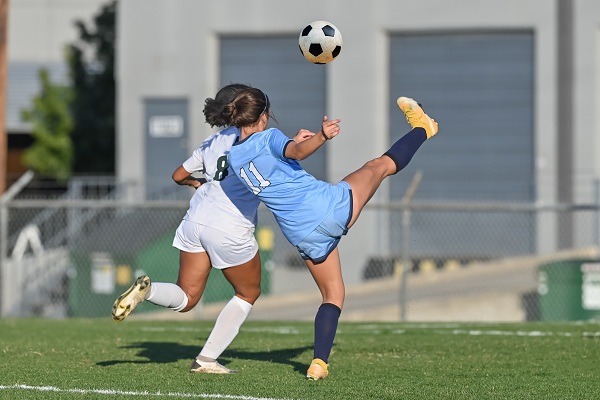
Sports medicine surgeons at Salem Health Orthopedics see a range of common injuries in patients.
Ognjen Stevanovic, MD, said these include sprains and strains, knee injuries such as anterior cruciate ligament (ACL) and meniscus tears, shoulder injuries like dislocations and rotator cuff challenges and overuse injuries such as stress fractures and concussions.
“Ankle sprains are among the most frequently seen injuries across nearly all sports, while knee and shoulder injuries are especially common in activities that involve pivoting, jumping or contact,” said Dr. Stevanovic. “Overuse injuries often develop gradually from repetitive stress and are frequently seen in runners, throwing athletes and endurance athletes.”
Lifestyle factors influence injury
Dr. Stevanovic said certain groups are more susceptible to these injuries based on age, activity level and the type of sport they choose.
“Youth athletes are at higher risk for overuse injuries and growth plate injuries, particularly with year-round sports specialization,” he said. “Female athletes have a higher incidence of ACL injuries due to differences in anatomy and neuromuscular control.”
The sports medicine surgeon said contact sport athletes commonly experience ligament injuries and dislocations while runners are prone to stress fractures and tendinitis.
Treatment options
As for treatment, many sports injuries can be treated successfully with rest, ice, activity modification, bracing and physical therapy.
“Surgery may be necessary for significant ligament tears, tendon ruptures, unstable fractures, recurrent instability or injuries that do not improve with conservative treatment,” said Dr. Stevanovic. “Recovery timelines vary widely, ranging from a few days for mild strains to several months for surgical recovery and rehabilitation.”
When to visit Salem Health Orthopedics
The orthopedic surgeon said a patient should visit an orthopedist if experiencing significant pain, swelling, instability or simply symptoms that aren’t improving.
“Persistent symptoms can indicate more significant structural damage such as ligament tears, cartilage injuries or fractures,” said Dr. Stevanovic. “Early evaluation by a specialist can help establish an accurate diagnosis, guide treatment and potentially prevent long-term complications or delayed recovery.”
Tools for prevention
The good news is, there are many techniques to help prevent these injuries. Dr. Stevanovic recommends focusing on proper movement mechanics and gradually increasing training intensity.
“Adequate rest, hydration, sleep and nutrition also play a major role in recovery and injury prevention,” he said. “Using appropriate footwear and sport-specific protective equipment is important as well.”
For young athletes in particular, Dr. Stevanovic does not recommend spending the whole year specializing in a single sport. Instead, he suggests built-in recovery time between seasons.
“Addressing minor pain or instability early before it progresses into a more significant injury is a key part of prevention,” he said. “As for recovery, the focus is not only on pain relief but safely restoring function and allowing a return to activity or sport.”
Orthopedic care
Are you recovering from a sports-related injury? Learn more about: