Cross-training done right: How to stay fit without breaking down
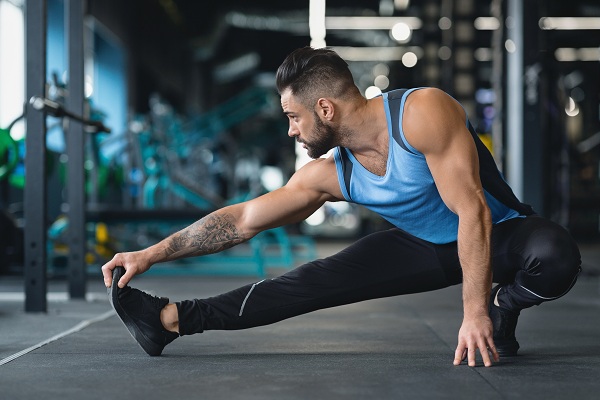
At Salem Health Orthopedics, sports medicine surgeons often meet with patients facing nagging injuries that just won’t go away.
Daniel Elkin, MD, is an orthopedic surgeon specializing in knee and shoulder care. Dr. Elkin said usually, a training routine is to blame.
“Many active adults fall into a simple pattern: find an activity they enjoy — running, cycling, skiing, tennis — and do it as often as possible,” he said. “While consistency is important, repetition without variation is one of the fastest ways to develop overuse injuries.”
What is cross-training?
Cross-training is designed to reduce repetitive stress on the same joints and tissues while building strength in underutilized muscle groups.
This strategy improves cardiovascular fitness and movement quality.
“Think of it this way: if your primary activity is constantly stressing the same structures in the same way, cross-training helps ‘spread the load’ across your body,” said Dr. Elkin. “Without that balance, even the most conditioned athletes can break down over time.”
This is because repeating the same movement patterns repeatedly creates strain on specific tissues. For runners, that often means knee pain or shin splints. Cyclists experience hip tightness and back discomfort.
“These aren’t random injuries — they’re patterns,” said Dr. Elkin. “And they’re often the result of doing one activity really well but neglecting everything else.”
Cross-training options
For runners, Dr. Elkin recommends adding low-impact cardio like cycling or swimming, as well as strength training.
Skiers can benefit from pre-season conditioning focused on endurance and control. Dr. Elkin suggests single-leg strength work and balance training.
“One of the biggest misconceptions about cross-training is that it requires a complicated plan,” he said.
“In reality, most people benefit from a simple, balanced structure.”
Creating a schedule
That could look like two to three days of primary activity, two days of strength training, one to two days of low-impact cardio and at least one day of rest.
“This kind of schedule allows you to stay active while giving specific tissues time to recover,” said Dr. Elkin.
The sports medicine surgeon said it’s important to not just replace one high-impact activity with another.
“The goal isn’t just to work harder,” said. Dr. Elkin. “It’s to train smarter, with enough variety to keep your body resilient.”
Orthopedic care
Are you facing a sports-related injury? Learn more about: