Heart attack rates rise in the winter — here’s why and how to protect yourself
Did you know heart attack rates go up in the winter? One study shows a 15% increase during the winter holidays.
Cassie Jacobsen, FNP, is a nurse practitioner with Salem Health Cardiology. Jacobsen said this is due to both biological and social reasons.
Winter risk factors
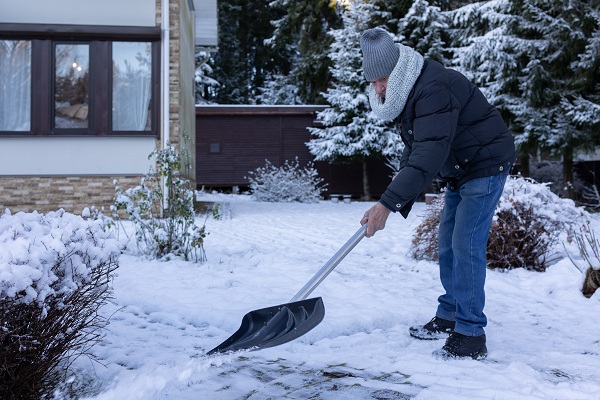
“During the winter holidays, we eat more unhealthfully, drink more alcohol and have more stress overall, which can increase the risk for heart attack,” she said. “Cold weather can also induce constriction of our blood vessels, including the coronary arteries. This, in combination with exertion, such as shoveling snow, can induce a heart attack.”
The good news is, Jacobsen said this risk is likely not as significant in the Pacific Northwest.
“I believe there is likely a higher risk of heart attack in colder climates that snow more frequently,” she said.
How to stay safe this winter
So, how can people protect themselves during this riskier time of year?
“Bundle up warmly, avoid overexertion, try to eat/drink as healthfully as possible and try to avoid stress if able,” Jacobsen said.
When to see a cardiologist
The nurse practitioner said there are symptoms to look out for that warrant an evaluation of heart health no matter the season.
“If you're having chest tightness, pressure, pain that is coming on with exertion or shortness of breath that is worsening over time with exertion or at rest,” Jacobsen said.
Jacobsen said patients experiencing these symptoms, or those who have an abnormal stress test, should be referred to a cardiologist.
Your path to cardiac care
From heart attacks and high blood pressure to heart disease and failure — we’re here to address your cardiology concerns at Salem Health. Learn more about our team and the steps we can take to get your health back on track.