Varicose veins: When are they serious?
Varicose veins happen when valves in the legs aren’t working properly. This causes veins to be visible or bulging as blood falls back down, or refluxes, into the legs.
Sheena Harris, MD, is a vascular surgeon at Salem Health. Dr. Harris said bulging veins without symptoms aren’t usually dangerous.
“In some people, varicose veins are asymptomatic, and in these cases, we do not recommend surgical intervention. In others, the varicose veins and pooling blood can cause heaviness or fatigue in the legs, especially after exercise or standing all day. In people with severe varicose veins, the pooled blood will inflame the soft tissue around the veins which can lead to chronic skin changes or potentially even wounds,” she said. “These kinds of wounds are extremely painful and will not heal unless we help the blood move out of the legs and back up toward the heart.”
Varicose vein treatment options
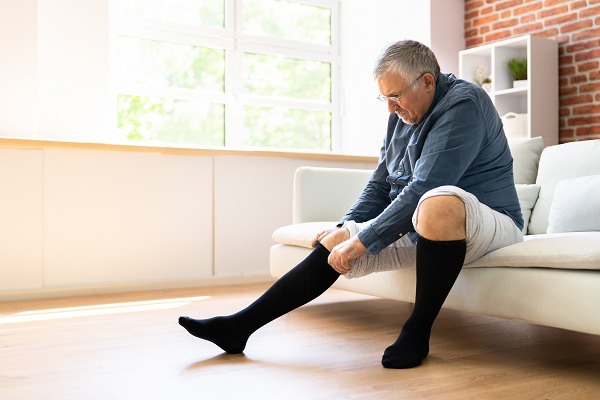
The vascular surgeon said compression therapy is important. This is recommended for all patients with varicose veins. Compression socks or stockings will compress the surface level venous system. This prevents veins without working valves from allowing blood to pool.
“If patients have symptoms such as heaviness or fatigue, or if they have serious skin changes or wounds from the varicose veins, we will recommend intervention, which requires closing off the veins which have become two-way streets when they should be one-way streets,” said Dr. Harris. “We’ve moved away from vein stripping to minimally invasive options. There are multiple ways to close a vein.”
One option is radiofrequency ablation, where a hot-tipped catheter seals the vein. The procedure takes about 20 minutes. There are also other products in use, such as a device, where a glue-like substance seals the vein closed. In some cases, the vein can be manually removed through very small incisions in the skin.
Varicose vein risk factors
“Varicose veins are quite common, and the biggest risk factor is genetics,” said Dr. Harris. “It’s very common in women because pregnancy plays a huge role. When those veins shrink back down after pregnancy, the valves sometimes don’t work very well.”
Other risk factors include being overweight and having a career where you stand often, such as nursing or teaching.
For those looking for help with varicose veins, Salem Health has four vascular surgeons.
“After we help a patient, the care doesn’t stop with intervention,” said Dr. Harris. “The connection with patients is lifelong.”
Vascular care at Salem Health
Are you worried about varicose veins? Click here to learn more about Vascular Surgery at Salem Health.